Empowering Cancer Care: Wellness Tips and Advocacy for Patients and Survivors
In the labyrinth of cancer, where every turn brings uncertainty, nurturing wellness becomes essential for both patients and families. The cancer journey is not just about fighting illness; it's about fostering a sense of hope and resilience. Every cancer diagnosis carries with it a world of challenges, yet it also opens the door to countless opportunities for growth and healing. "Wellness is the holistic state of being healthy in mind, body, and spirit," and that begins with understanding how to empower yourself or your loved one through effective cancer care.
Navigating through the oncology blog landscape often seems overwhelming. However, when you distill the information into essential wellness tips, it becomes much more manageable. Emphasizing lifestyle changes is critical—not just for prevention but also for survival. Engaging in physical activities, however mild, can uplift mood and promote physical health. Did you know that regular exercise releases endorphins, the body's natural painkillers? This simple act can dramatically improve the mental health of cancer survivors and patients alike, creating a ripple effect of positivity in their journey.
Consider nutrition for cancer patients; it is a fundamental yet often overlooked aspect of a comprehensive cancer care plan. Eating the right foods can bolster the immune system and help the body cope with treatment side effects. A well-balanced diet rich in fruits, vegetables, and lean proteins facilitates healing and energy. Many cancer survivors share their favorite recipes through support groups or online health resources, creating a community that thrives on shared experiences and mutual growth. After all, food has a way of bringing people together, especially during challenging times.
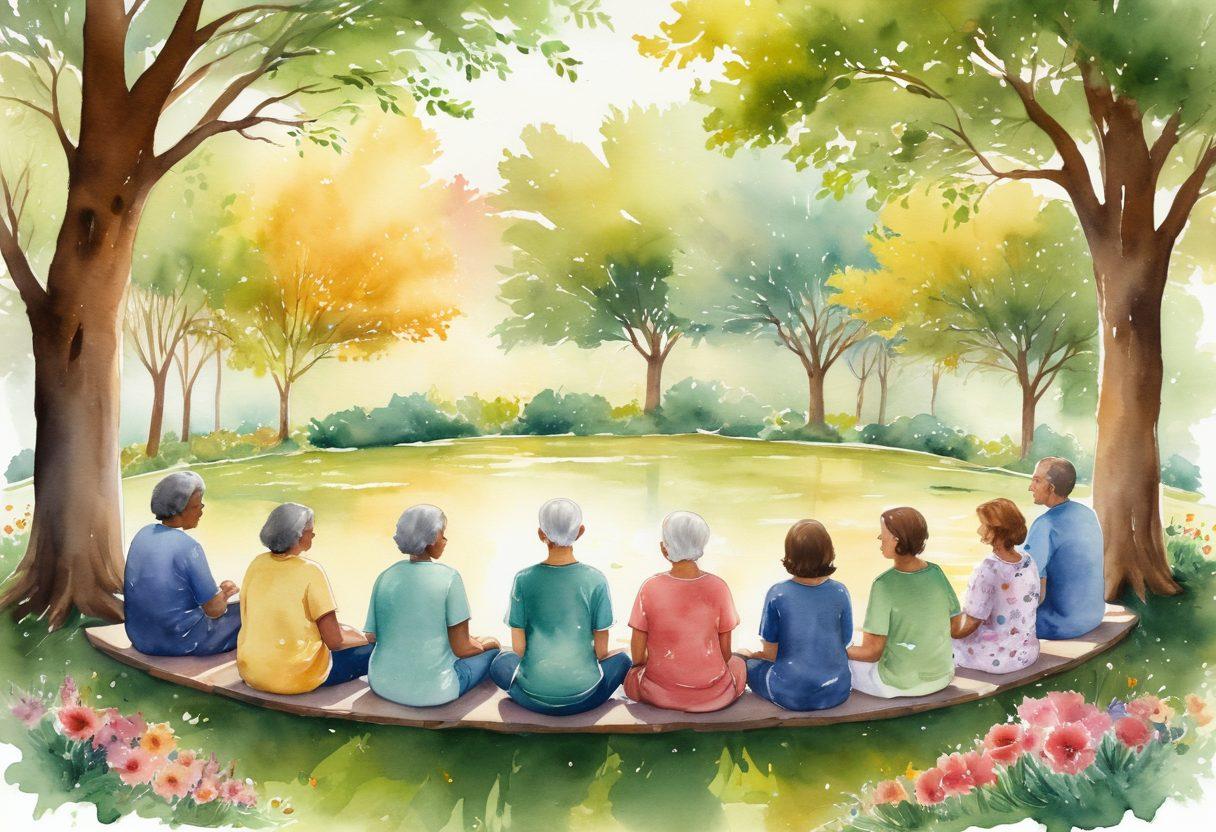
As we delve deeper, let’s reflect on the power of mental health. How often do we forget to check in with ourselves when faced with a cancer diagnosis? The emotional waves can be as tumultuous as the illness itself. By introducing therapies for cancer that focus on mental well-being, such as meditation, art therapy, or journaling, patients can creatively express their feelings and fears. Research shows that emotional expression is vital in managing stress and anxiety, making it a crucial part of holistic health. Create a personal routine that embraces these therapeutic steps, allowing space for healing from within.
Lastly, let’s not underestimate the value of cancer advocacy. Seeking information about clinical trials or alternative treatments can empower patients and families to make informed decisions. Joining support groups fosters a sense of belonging and understanding, which can be incredibly comforting. Remember, every cancer journey is unique; the path you pave for yourself is rich with potential. As we nurture our wellness through informed choices, let’s continue to advocate for compassionate care and health awareness, forging a community dedicated to lifting one another up through every stage of the cancer journey.
Advocacy in Action: Empowering Survivors and Families
Imagine standing at the crossroads of hope and uncertainty, a cancer survivor ready to reclaim their life. Advocacy in action is not just a catchphrase; it embodies the spirit of empowerment that helps patients and families navigate through the myriad challenges of cancer care. As we delve into the world of cancer advocacy, we uncover compelling wellness tips that can inspire not only those battling cancer but also the supportive networks surrounding them. This journey isn’t just about medical research; it’s about creating a culture of health awareness that uplifts everyone on this path.
When we think about advocacy, what often comes to mind is pushing for medical resources and research on effective therapies for cancer. But it’s much more than that. It involves cultivating spaces where cancer survivors feel validated and are armed with essential patient resources. A strong network of support groups can create an environment ripe for sharing experiences, strategies, and the invaluable lifestyle changes that lead to a more fulfilling and healthier life after a cancer diagnosis. How can we better engage families to foster this culture of support and solidarity?
At its heart, cancer advocacy calls for compassionate care and holistic health approaches. What does it mean to embrace alternative treatments alongside conventional therapies for cancer? Survivors and their families often find empowerment in exploring nutrition for cancer patients, emotional well-being, and preventive measures. These elements reflect the commitment to not just survive, but to thrive, allowing individuals to take an active role in their wellness journey. It’s here that the fusion of lifestyle changes and informed choices becomes paramount.
For families, advocacy means extending support beyond treatment. It’s a call to educate and engage, turning knowledge about health awareness and available health resources into actionable insights. Have you ever thought about how sharing personal stories can create powerful connections among peers facing similar battles? By opening up about their experiences, cancer survivors not only reclaim their strength but also illuminate pathways for others, fostering a vibrant community that champions mental health and wellness.
Lastly, let's not underestimate the significance of engaging in clinical trials or exploring innovative treatment options. As we promote cancer advocacy, imagine the conversations we can initiate about the latest medical advancements and their access, especially amidst the restrictions faced by many patients and families. Together, we can amplify the message that cancer survivors deserve a voice in their treatment journey—one that encompasses not just survival, but also the joy of life after cancer. Are you ready to join this movement and make a difference?
Transforming Care: Holistic Approaches and Support Resources for Patients
When it comes to cancer care, it’s more than just handling the physical symptoms; it’s about embracing a holistic approach that considers the mind, body, and spirit. Picture this: a cancer patient, weary from treatments and overwhelmed by their diagnosis. How can we turn the tide on adversity? Enter wellness tips and supportive resources designed to empower cancer patients and survivors alike. Let’s explore the multifaceted world of holistic health and uncover ways to transform care in an oncology blog format that resonates with those on this challenging journey.
Imagine walking into a room filled with light, where the sound of laughter mingles with the gentle chime of wind chimes. This serenity embodies the essence of holistic care, focusing not just on medical interventions but on fostering emotional and mental well-being. Patients and families increasingly realize that alongside traditional therapies for cancer, alternative treatments and wellness strategies provide a much-needed balance. The journey doesn't have to be a solitary one; support groups and health resources can be lifelines. What’s more important than knowing you’re not alone?
Incorporating lifestyle changes is one of the most empowering steps cancer survivors can take. This could mean seeking out nutrition for cancer patients that prioritizes fresh, plant-based foods teeming with antioxidants, or integrating gentle exercises into their daily routine. A quote to live by could be, "Your body is a garden, and wellness is a beautiful flower waiting to blossom." By prioritizing nutrition and engaging in light physical activity, patients can not only enhance their physical resilience but also lift their spirits, paving the way for recovery. How can better eating habits change the trajectory of your healing journey?
Mental health plays a pivotal role in cancer care, underscoring the need for compassionate care throughout the treatment journey. The emotional toll of a cancer diagnosis isn't just a side note; it’s a profound aspect of healing representing nearly half the battle. Accessing mental health support is crucial; whether it’s talking to a counselor, joining group therapy sessions, or finding an online community where experiences are shared, bravery in vulnerability can transform lives. Have you considered how your mental well-being influences your physical health?
Finally, let’s shine a light on the importance of medical research and clinical trials. Participating in clinical trials not only opens doors to cutting-edge therapies for cancer but also contributes to the broader fight against this disease. Empowering patients with knowledge about available medical options is a form of cancer advocacy that could save lives. As we navigate the future, we must ask ourselves, "What role will I play in contributing to this ongoing dialogue in cancer care?" There’s a world of information and support waiting to be embraced – let’s take those steps together.